a field guide to trees of ontario
Overview of Ontario’s Forests
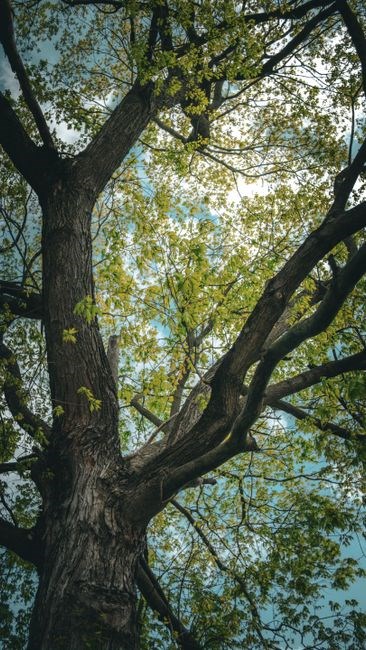
Ontario’s forests span diverse landscapes, from northern boreal swamps to southern mixedwood woodlands. The field guide highlights how climate gradients shape tree communities, offering insights into species distribution, ecological roles, and seasonal dynamics across the province. It guides for novices and experts.
Geographic Diversity and Climate Zones
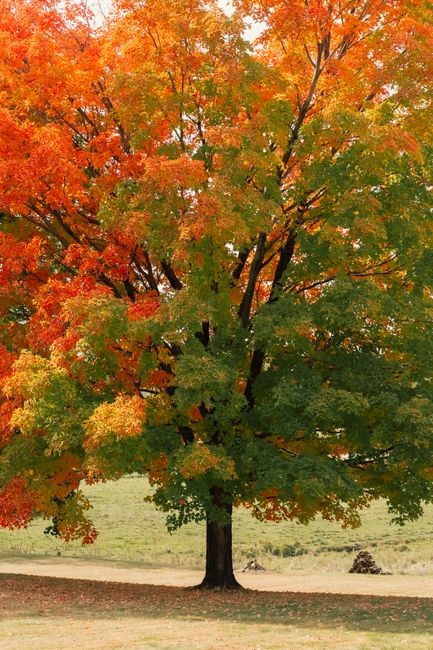
Ontario’s forests form a climatic mosaic, stretching from the cool, subarctic north to the humid, temperate south. The province’s 14,000‑mile expanse hosts distinct tree communities shaped by temperature, precipitation, and seasonality. In the far north, the boreal zone is dominated by conifers such as black spruce, jack pine, and white spruce, where short growing seasons and permafrost limit tree height. The southernmost temperate deciduous forest receives ample rainfall and warmer summers, supporting broadleaf species like sugar maple, American beech, and red oak. Elevation differences—from low‑lying Great Lakes shores to the rugged Canadian Shield—further refine local climates, influencing soil development, drainage, and species distribution. Understanding this climatic tapestry is essential for locating, identifying, and conserving Ontario’s diverse tree communities.
Climate data for each zone come from long‑term weather stations, satellite imagery, and regional models. These datasets show average January temperatures, July maxima, annual precipitation, and frost‑free growing seasons. For example, the boreal zone averages –15 °C in January and 10 °C in July, with 350 mm of precipitation, while the temperate zone averages 0 °C in January and 25 °C in July, with 900 mm of precipitation. Such benchmarks help observers anticipate species presence and seasonal responses. The guide discusses how climate change is shifting boundaries, with boreal species moving southward and temperate species retreating northward, altering forest composition and ecosystem services. Integrating geographic and climatic information gives readers a framework for locating, identifying, and conserving Ontario’s tree communities. These climate insights enable field botanists to predict species shifts, assess forest health, and plan conservation strategies. Readers can also use the included climate maps to pinpoint species ranges with greater precision.!!!…??!!.
Dominant Ecosystems (Boreal, Mixedwood, Temperate Deciduous)
Ontario’s forest landscape is partitioned into three principal ecosystems, each defined by a unique blend of species, soil, and climate. The boreal forest, covering the northern reaches, is a vast expanse of coniferous stands dominated by black spruce, white spruce, and jack pine. These trees thrive on acidic, poorly drained soils and short growing seasons, forming dense, low‑lying thickets that support a specialized understory of lichens, mosses, and hardy shrubs. The mixedwood zone, situated between the boreal and temperate belts, showcases a dynamic mosaic of conifers and deciduous species. Here, sugar maple, red maple, and American beech intermix with white pine, eastern white pine, and eastern hemlock, creating a structurally diverse canopy that offers habitat for a wide array of wildlife. The temperate deciduous forest, occupying the southernmost corridor, is characterized by broadleaf giants such as sugar maple, American beech, and red oak. These species flourish on richer, well‑drained soils and enjoy longer growing seasons, resulting in taller, more open canopies and a vibrant understory of shrubs, ferns, and herbaceous plants. Each ecosystem supports distinct ecological processes—from carbon sequestration in the boreal’s peatlands to nutrient cycling in the mixedwood’s leaf litter, and pollinator networks in the temperate deciduous. Understanding these dominant ecosystems is essential for accurate species identification, ecological research, and effective conservation planning across Ontario’s diverse forested regions. These patterns guide sustainable forestry and enrich citizen science.!
Key Tree Families and Representative Species
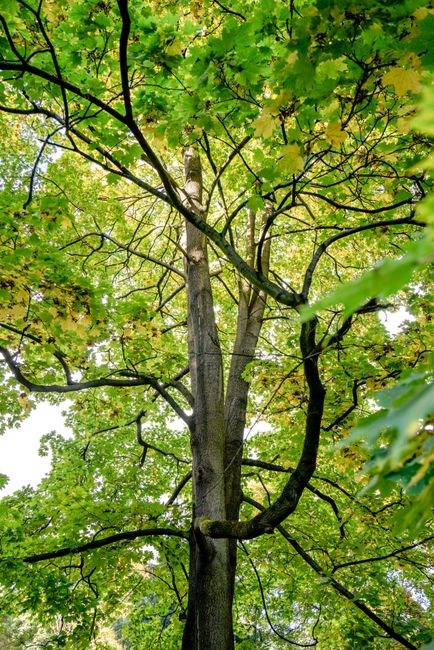
Ontario’s flora features four main families: Fagaceae (beech, oak, hickory), Pinaceae (spruce, pine, hemlock), Betulaceae (birch, alder), and Rosaceae (crabapple, blackberry). Each offers distinct bark, leaf, and fruit traits for field identification. These families illustrate Ontario’s ecological diversity and guide field identification. Their bark patterns and leaf shapes aid quick identification!!!
Fagaceae, the beech‑oak‑hickory family, dominates Ontario’s mixedwood and northern hardwood forests. In the field, the most common members are the American beech (Fagus grandifolia), the northern red oak (Quercus rubra), and the black hickory (Carya texana). Their leaves are alternate, simple, and often have a distinctive serrated or lobed margin; beech leaves are smooth and oval, oak leaves are lobed with a characteristic notch, and hickory leaves are deeply lobed with a toothed edge. The bark of mature beech is pale, smooth, and exfoliates in thin, papery strips, whereas oak bark is deeply furrowed and scaly, and hickory bark is reddish‑brown with a furrowed texture. Fruit is a key diagnostic feature: beech produces a small, round nut encased in a hard shell, oak yields a single‑seeded acorn with a distinctive cap, and hickories produce a large, hard nut with a thick, woody shell and a prominent, curved beak. Flowering occurs in late spring; oaks and beeches produce catkins, while hickories produce small, inconspicuous flowers. In autumn, the foliage turns brilliant shades of red, orange, and yellow, providing a spectacular canopy display. The family’s ecological role: they provide habitat for wildlife, contribute to soil, and are key timber species. Conservation status varies; while most species are common, some, like the American beech, face threats from pests such as the beech bark beetle and diseases like beech bark disease. Monitoring and management practices are essential to preserve these keystone species for future generations!!!
Pinaceae (Spruces, Pines, Hemlocks)
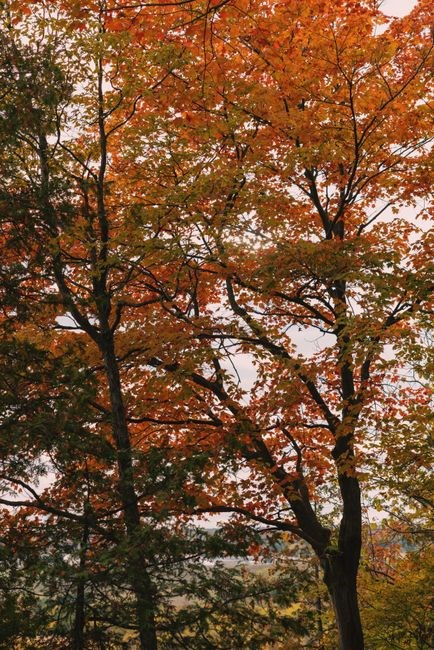
Ontario’s Pinaceae are the backbone of its boreal and northern hardwood forests. The family includes the white spruce (Picea glauca), eastern white pine (Pinus strobus), and the eastern hemlock (Tsuga canadensis). Their needles are arranged in flattened bundles of two to four, with a waxy coating that reduces water loss. White spruce needles are 2–3 cm long, dark green, and stiff, while eastern white pine needles are 4–7 cm, soft, and flexible. Hemlock needles are 1–2 cm, dull green, and form a dense, flat fan. The bark of mature spruce is thin, scaly, and gray, peeling in long strips; pine bark is thick, furrowed, and reddish‑brown; hemlock bark is smooth, grayish, and fissured. Cones are the most diagnostic fruit: spruce cones are slender, 4–6 cm, and wind‑dispersed; pine cones are larger, 8–12 cm, and have a more robust scale; hemlock cones are small, 2–3 cm, and wind‑dispersed. Flowering is inconspicuous, occurring in late spring; cones mature in late summer or early fall. In autumn, needles turn golden or reddish, creating a vibrant canopy. These species provide critical habitat for wildlife, serve as major timber resources, and play a key role in carbon sequestration. Threats include bark beetles, fungal pathogens, and climate‑driven changes that alter growth patterns and distribution. Conservation efforts focus on monitoring population health, managing stand density, and protecting old‑growth stands for ecological integrity. These efforts collectively help sustain the province’s ecological services recreational opportunities for residents and visitors.
Betulaceae (Birches, Alders)
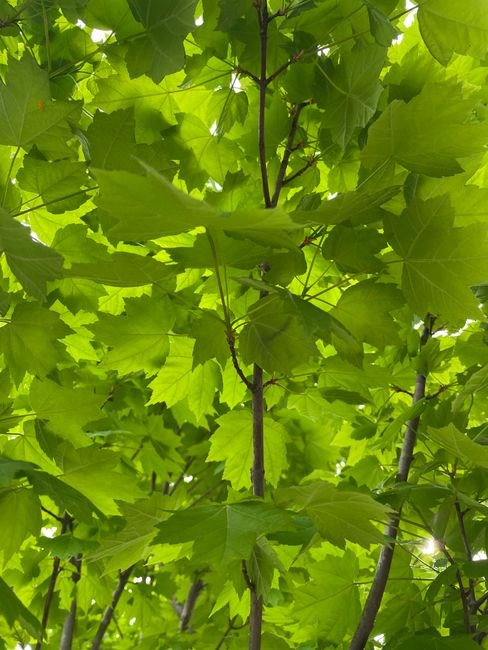
Ontario’s birches and alders belong to the Betulaceae family, a group of deciduous trees that thrive in moist, well‑drained soils across the province. The silver birch (Betula pendula) and paper birch (Betula papyrifera) are the most common birches, distinguished by their papery bark that peels in long, thin strips. Their leaves are ovate, 4–7 cm long, with serrated margins and a bright green upper surface that turns golden in autumn. The bark of the paper birch is white and smooth, while the silver birch shows a pale grayish tone with faint fissures. Alders (Alnus spp.) are often found along riverbanks and wetlands; black alder (Alnus glutinosa) and white alder (Alnus rubra) have glossy, dark green leaves 5–10 cm long with a wavy margin. Their bark is reddish‑brown and furrowed, and they produce catkins—small, drooping, wind‑dispersed flowers—early in spring before leaf emergence. The fruit is a small, woody samara that aids in seed dispersal. Both birches and alders have shallow, fibrous roots that quickly colonize disturbed sites, making them important pioneers in succession. Their bark and leaves provide food for insects, and their canopy shelters birds and mammals. Conservation concerns include habitat fragmentation, pests like the silver birch leaf miner, and climate‑related moisture shifts. Management practices emphasize protecting riparian buffers, monitoring disease outbreaks, and encouraging natural regeneration through controlled burns and selective logging. By maintaining healthy birch and alder populations, Ontario preserves ecosystem services like water filtration, soil stabilization and biodiversity habitat and water
Rosaceae (Crabapples, Blackberries)
Ontario’s Rosaceae family features shrubs and small trees that thrive in forest understories. Crabapples (Malus spp.) are hardy ornamental trees producing bright red, globular fruit in late summer. Their leaves are ovate, 4–6 cm long, serrated, and glossy dark green, turning yellow or orange in autumn. The bark is smooth gray with faint ridges, and flowers are white or pink in loose panicles that bloom before leaf emergence. Blackberries (Rubus spp.) are vigorous, thorny shrubs forming dense thickets along edges and disturbed sites. They yield edible, dark purple fruit in late summer and fall. Leaves are compound, 5–7 cm long, with three to five serrated leaflets and a bright green upper surface. Stems are reddish and bear sharp thorns. Both species provide nectar for pollinators and fruit for birds, mammals, and humans. They stabilize soil, offer habitat for invertebrates, and aid succession. Management includes monitoring invasive relatives, controlling over‑growth, and encouraging natural regeneration through seed dispersal by birds and mammals.
In addition to their ornamental value, crabapples and blackberries contribute to carbon sequestration and serve as early successional species that facilitate forest regeneration. Their root systems stabilize streambanks, reducing erosion, while their fruit attracts a variety of wildlife, including deer, raccoons, and migratory songbirds. Sustainable harvesting practices encourage the use of blackberries for jams and preserves, supporting local economies while maintaining ecological balance. and outreach;!
Identification Features and Field Observations
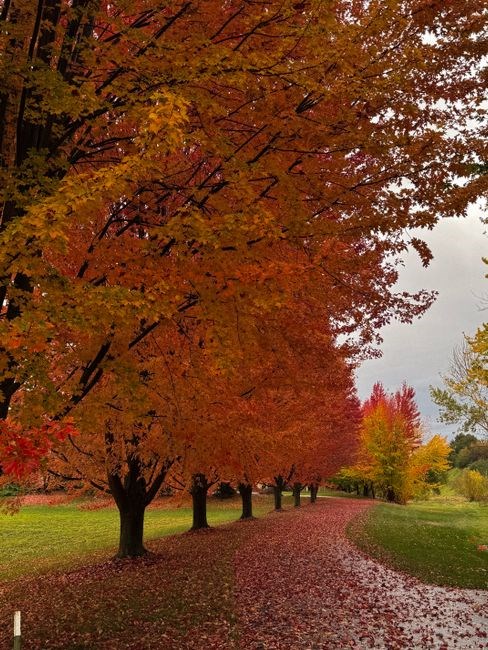
Field observers note leaf shape, bark texture, acorn and cone traits, and seasonal changes. In Ontario, beech leaves are smooth, oval, glossy; oak acorns have a distinctive cap; spruce cones hang pendulously. Autumn hues range from amber to deep red, guiding species identification. Observers note bark fissures and pods.
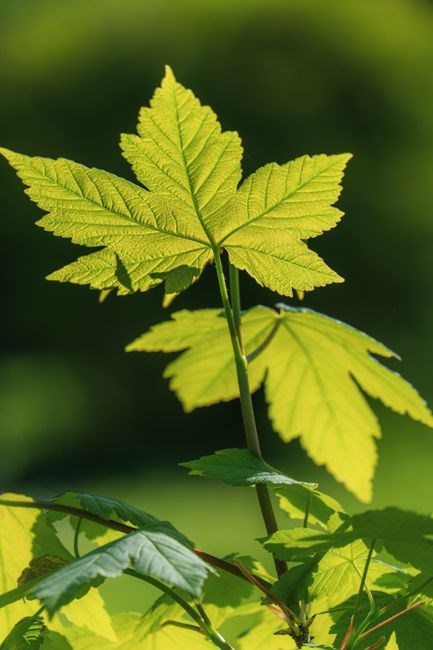
Leaf Shape and Arrangement
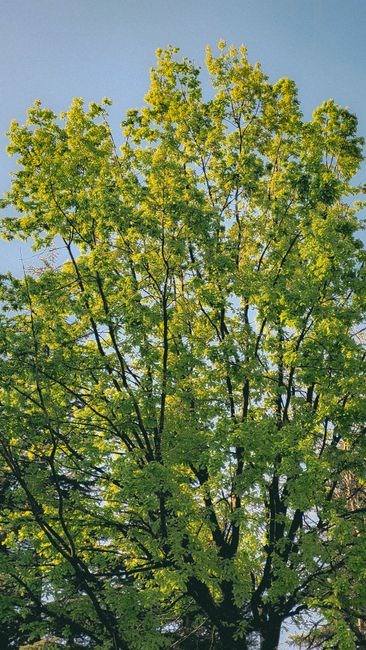
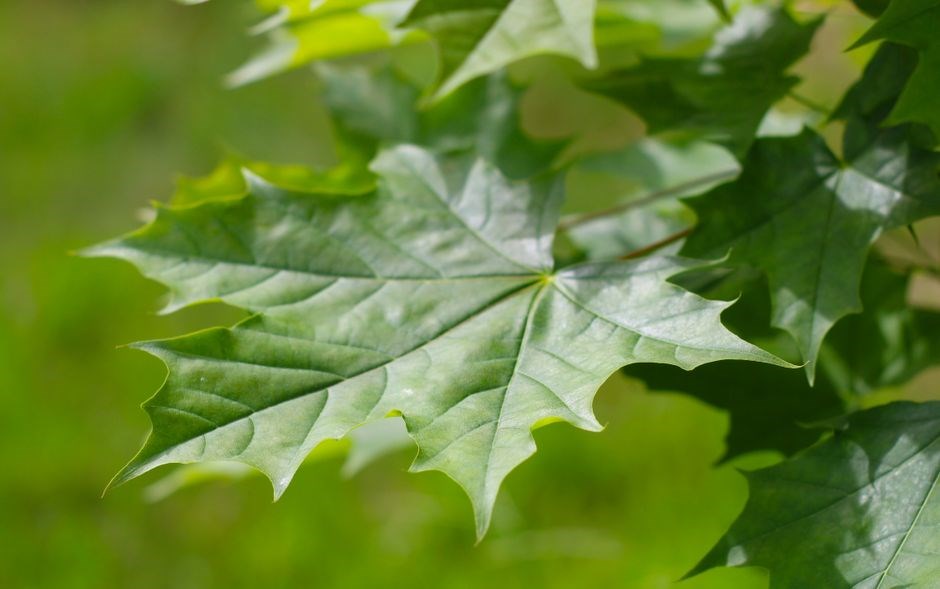
In Ontario, leaf morphology is a primary field‑identification cue. Common shapes include simple, lobed, and compound. Sugar maple (Acer saccharum) bears simple, palmate leaves with five rounded lobes, arranged alternately along the stem. Red maple (Acer rubrum) has similar lobed leaves but with a slightly smaller size. White birch (Betula papyrifera) displays simple, lanceolate leaves with serrated edges, often arranged spirally. Oak species such as northern red oak (Quercus rubra) and white oak (Quercus alba) feature simple, lobed leaves with a deep notch at the base; their leaves are alternately arranged. Eastern hemlock (Tsuga canadensis) has needle‑like foliage, while eastern white pine (Pinus strobus) has scale‑like needles arranged in a spiral. Pine needles are grouped in fascicles of two or more, and the arrangement of needles on the shoot helps distinguish species: two‑needle pines (e.g., white pine) versus three‑needle pines (e.g., jack pine). The leaf margin is another diagnostic feature; smooth margins in birches, serrated in maples, and toothed in oaks. Venation patterns aid identification; maple leaves have a palmate venation with a prominent central vein, whereas birch leaves exhibit a simple, single‑vein structure. Seasonal changes in leaf color—amber in maple, deep red in oak, and yellow in birch—provide additional cues for late‑summer identification. By combining leaf shape, arrangement, margin, venation, and seasonal color, field observers can reliably distinguish the dominant tree families across Ontario’s diverse forest ecosystems. These cues remain consistent across the province, allowing now to identify trees from a distance.
Bark Texture and Color
Ontario’s tree bark offers a rich palette of textures and hues that serve as reliable field markers. The smooth, papery bark of white birch (Betula papyrifera) is instantly recognizable, peeling in thin, paper‑like strips that reveal a pale, almost translucent background. In contrast, the rugged, furrowed bark of northern red oak (Quercus rubra) presents a coarse, gray‑brown surface with deep fissures, while the mottled, gray‑brown bark of black spruce (Picea mariana) displays a layered, scaly appearance. The dark, furrowed bark of eastern hemlock (Tsuga canadensis) is dark gray with a slightly ribbed texture, and the bark of black spruce is often mottled with a pale gray underside. The smooth, gray bark of the eastern white pine (Pinus strobus) is nearly uniform, whereas the rough, furrowed bark of jack pine (Pinus banksiana) is dark brown with a pronounced ridged pattern. The bark of the sugar maple (Acer saccharum) is a dull gray with a slightly furrowed texture, and the bark of the red maple (Acer rubrum) is a darker gray with a more pronounced furrowed pattern. The bark of the eastern white pine is a light gray with a subtle, vertical striping that becomes more pronounced in older trees. The bark of the eastern hemlock is a dark, slightly scaly gray that often shows faint, greenish tint during spring very in. The bark of the red maple is a darker gray with a more pronounced furrowed pattern, often showing greenish tint in early spring!. The bark of the white birch is a pale gray with a papery, peeling texture that reveals a translucent surface beneath.
Acorn and Cone Characteristics
Acorn and cone morphology provide critical clues for species identification. In the boreal zone, black spruce cones are short, globular, and stiff, while jack pine cones are elongated, cylindrical, and open at maturity. The eastern white pine produces long, slender cones with feathery scales that detach easily. In mixedwood forests, oaks show a range of acorn sizes and cap coverage: the white oak yields large acorns with a cap covering half the nut, while the red oak produces medium acorns with a cap covering one‑third. The pin oak’s acorns are elongated with a small cap. The sugar maple’s seed pod is a flattened, elongated capsule, not a true acorn. The shape of the cone scales, their color, and the presence of a central spine are also informative. Understanding these traits is essential for management. for use. Field studies show that cone and acorn traits vary with elevation, soil type, and disturbance history, providing a picture of forest dynamics. for sustainable management and use.!!
Seasonal Phenology (Flowering, Fruiting, Leaf Color)
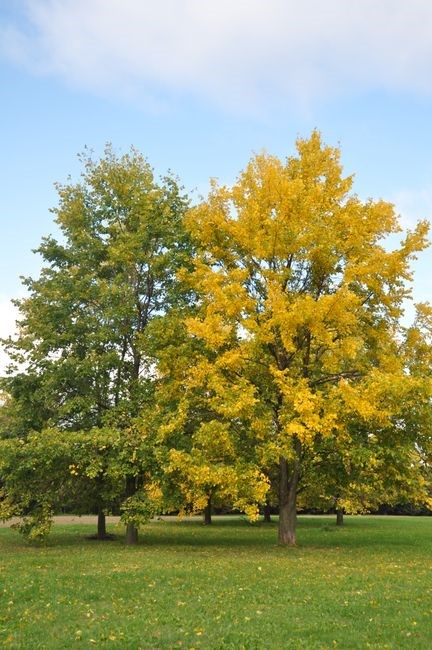
Ontario’s temperate climate orchestrates a predictable rhythm of growth, bloom, and color change across its diverse forest types. In early spring, the birch (Betula spp.) produces delicate catkins that appear before the leaves, signaling the start of the growing season. The same period sees the white pine (Pinus strobus) and eastern hemlock (Tsuga canadensis) releasing pollen grains that travel on the wind, while the sugar maple (Acer saccharum) begins to flush green leaves that soon give way to a spectacular display of crimson, orange, and yellow in late summer and early fall. The oak species (Quercus spp.) exhibit a range of flowering times: the white oak (Quercus alba) produces catkins in late winter, whereas the red oak (Quercus rubra) blooms in early spring. Fruiting follows, with acorns maturing in late summer and falling to the forest floor, providing critical food for wildlife. The coniferous conks, such as those of the jack pine (Pinus banksiana), mature in late summer, releasing seeds that are dispersed by wind. The maple’s samaras spin slowly to the ground, while the birch’s samara‑like catkins fall with a gentle rustle. As autumn approaches, leaf pigments shift from chlorophyll to anthocyanins and carotenoids, producing vivid reds, purples, and yellows that mark the transition to winter dormancy. This phenological sequence is not only a visual spectacle but also a vital cue for ecological interactions, influencing pollinator activity, seed dispersal, and wildlife foraging patterns across Ontario’s forest ecosystems.