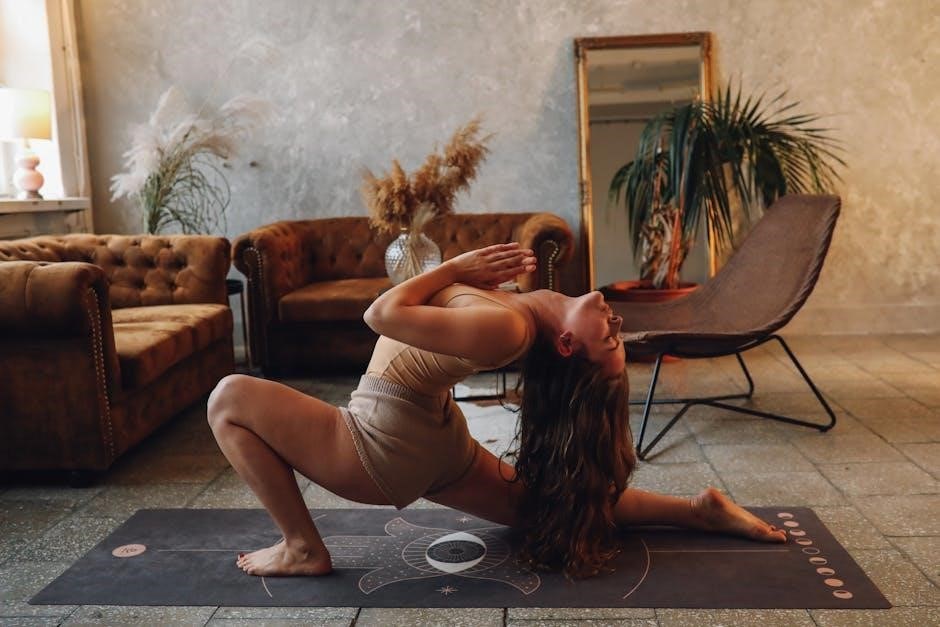
vinyasa flow yoga sequence pdf
What is Vinyasa Flow Yoga?
Vinyasa Flow dynamically links breath to movement, creating a flowing sequence of poses; readily available Vinyasa yoga sequence PDFs guide practitioners․
History and Origins of Vinyasa
Vinyasa’s roots trace back to ancient India, evolving from traditional practices like Ashtanga Yoga in the 20th century․ Krishnamacharya, a pivotal figure, and his students—including Pattabhi Jois and B․K․S․ Iyengar—laid the groundwork․ However, the modern Vinyasa Flow, as widely practiced today, emerged in the 1980s, diverging from the rigid structure of Ashtanga․
Teachers began to creatively sequence poses, synchronizing them with breath, and emphasizing the transition between postures․ This fluidity is where the term “Vinyasa,” meaning “to place in a special way,” originates․ The accessibility of Vinyasa yoga sequence PDFs has further democratized the practice, allowing individuals to explore and adapt flows at their own pace, building upon this historical evolution․
Key Principles of Vinyasa Yoga
Vinyasa Yoga centers around three core principles: breath (pranayama), movement, and mindful attention․ Each inhale and exhale guides the transition between poses, creating a meditative flow․ The “vinyasa krama,” or sequencing, is crucial – poses are intelligently linked to build heat, strength, and flexibility․
Ujjayi breath, a slight constriction in the back of the throat, is commonly used to deepen focus and regulate energy․ Many practitioners utilize Vinyasa yoga sequence PDFs to understand these principles in practice․ These resources often highlight the importance of drishti (gaze point) and bandhas (energy locks) to enhance stability and awareness throughout the flow, fostering a holistic mind-body connection․
The Core Vinyasa Sequence
Vinyasa’s foundational sequence—Plank, Chaturanga, Upward Dog, Downward Dog—is repeated throughout practice; many Vinyasa yoga sequence PDFs detail this core flow․
Understanding the Vinyasa Krama
Vinyasa Krama, the intelligent sequencing of poses, is central to a flowing practice․ It’s not random; poses are linked thoughtfully, preparing the body for deeper expressions․ Many Vinyasa yoga sequence PDFs illustrate this principle, showcasing how postures build upon each other․ Matthew Sweeney’s “Moon Sequence,” for example, demonstrates a complete krama, taking approximately two hours․
Teachers utilize krama to create balanced classes, considering contraindications and student levels․ Tummee is a platform used to design these sequences, resulting in numerous downloadable Vinyasa yoga sequence PDFs․ Understanding krama allows practitioners to move with intention, maximizing benefits and minimizing risk, making these resources invaluable․
The Traditional Vinyasa Sequence: Breakdown
The core Vinyasa sequence – Plank, Chaturanga, Upward-Facing Dog, and Downward-Facing Dog – is foundational․ Repeated throughout class, it builds heat and links breath to movement․ Numerous Vinyasa yoga sequence PDFs detail this sequence, often emphasizing proper alignment in Chaturanga to protect the shoulders․
Flowing through this sequence on both sides is common practice, and some sequences even reverse the order for a challenge․ Many online resources, including those offering Vinyasa yoga sequence PDFs, demonstrate variations․ Understanding this core breakdown is crucial for both beginners and experienced yogis, providing a framework for building more complex flows․
Chaturanga Dandasana – The Core Transition
Chaturanga Dandasana, often a stumbling block for beginners, is the pivotal transition within the Vinyasa flow․ It’s a low plank, resembling a push-up, demanding core engagement and controlled descent; Many Vinyasa yoga sequence PDFs dedicate significant attention to modifications, emphasizing keeping elbows tucked in and lowering halfway to the floor․
Incorrect form can strain wrists and shoulders, so proper technique is paramount․ Detailed Vinyasa yoga sequence PDFs often include preparatory poses to build strength․ Modifications, like dropping knees or performing on an incline, are frequently illustrated․ Mastering Chaturanga is key to a safe and effective Vinyasa practice․
Upward-Facing Dog (Urdhva Mukha Svanasana)
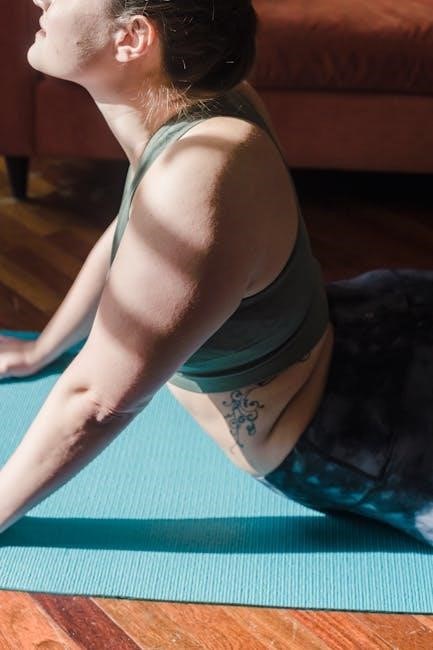
Urdhva Mukha Svanasana, or Upward-Facing Dog, is a backbending pose following Chaturanga, opening the chest and strengthening the spine․ Many Vinyasa yoga sequence PDFs highlight the importance of engaging the legs and glutes to protect the lower back; Proper alignment involves shoulders down and back, and a gentle lift through the sternum․
Vinyasa yoga sequence PDFs often suggest modifications for beginners, such as Cobra pose, a lower variation․ Detailed instructions emphasize avoiding compression in the lower back․ This pose, frequently featured in flowing sequences, requires mindful practice․ Finding detailed Vinyasa sequences can help build confidence and proper form․
Downward-Facing Dog (Adho Mukha Svanasana)
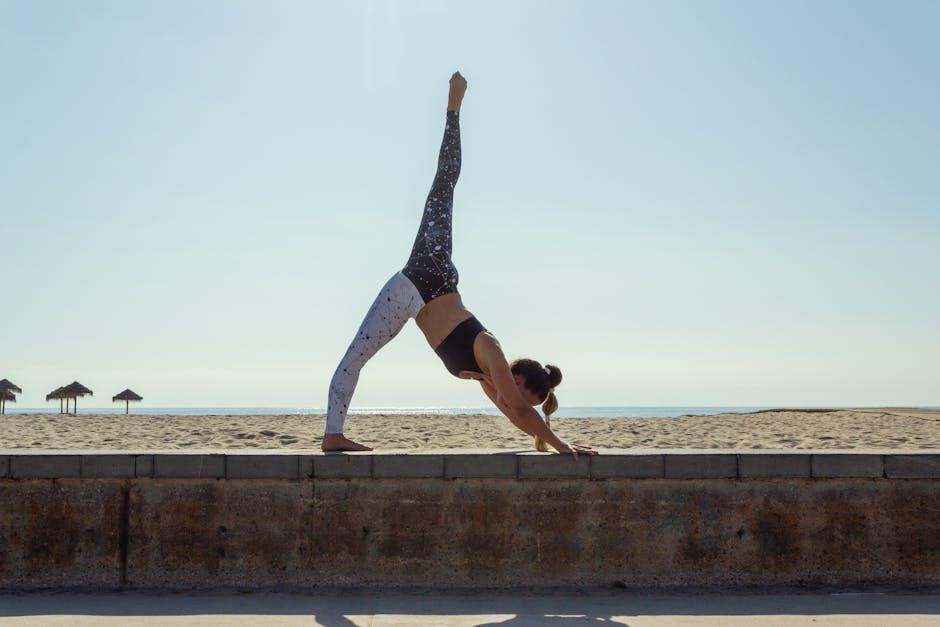
Adho Mukha Svanasana, or Downward-Facing Dog, is a foundational pose in Vinyasa, often linking Upward-Facing Dog and Plank․ Numerous Vinyasa yoga sequence PDFs demonstrate its versatility, serving as a resting pose and a transition․ Proper form involves a long spine, hands shoulder-width apart, and feet hip-width apart․
Vinyasa yoga sequence PDFs frequently offer modifications, like bent knees for tighter hamstrings․ The pose strengthens arms and legs while stretching the spine and hamstrings․ It’s a common pose in many flows, and detailed Vinyasa sequences often include variations․ Mastering this pose is crucial for a safe and effective practice, as shown in many downloadable guides․
Benefits of Practicing Vinyasa Flow
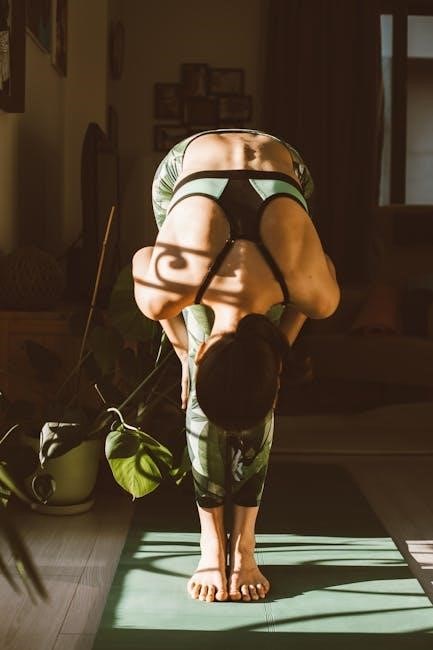
Vinyasa Flow builds strength, flexibility, and mental clarity; Vinyasa yoga sequence PDFs help unlock these benefits through dynamic, breath-synchronized movement․
Physical Benefits: Strength and Flexibility
Vinyasa Flow cultivates remarkable physical strength through continuous movement and weight-bearing poses like Plank, Chaturanga, and Downward-Facing Dog․ Repeated transitions build endurance in arms, core, and legs․ Utilizing Vinyasa yoga sequence PDFs allows focused practice on specific muscle groups․
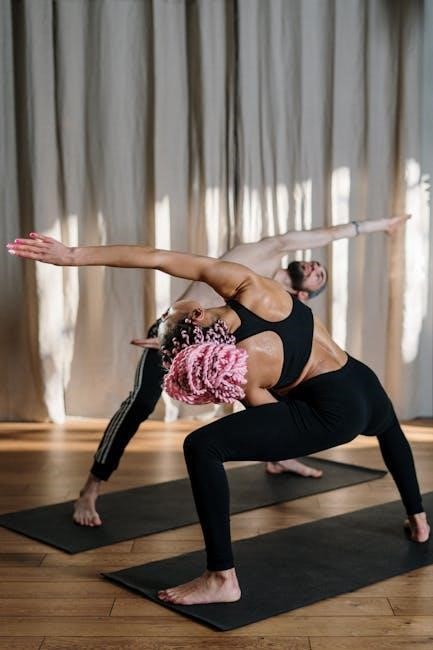
Simultaneously, the practice dramatically enhances flexibility; Holding poses and flowing between them stretches muscles and increases range of motion․ Sequences often incorporate poses like Warrior II and Triangle, opening hips and hamstrings․ Accessing detailed Vinyasa yoga sequence PDFs provides modifications for all levels, ensuring safe and progressive flexibility gains․ Consistent practice improves posture, balance, and overall physical well-being․
Mental and Emotional Benefits: Stress Reduction
Vinyasa Flow profoundly reduces stress by synchronizing breath with movement, fostering a meditative state․ This mindful practice shifts focus away from racing thoughts, promoting present moment awareness․ Utilizing a Vinyasa yoga sequence PDF can create a calming home practice․
The physical exertion releases endorphins, natural mood boosters, alleviating anxiety and depression․ Consistent practice cultivates resilience, helping individuals better manage life’s challenges․ Detailed Vinyasa yoga sequence PDFs often include pranayama (breathwork) techniques, further enhancing relaxation․ By regularly engaging with these sequences, practitioners experience increased emotional regulation, improved sleep, and a greater sense of inner peace and well-being․
Detoxification and Increased Circulation
Vinyasa Flow’s dynamic movements and focused breathing stimulate the lymphatic system, aiding in natural detoxification․ The twisting and stretching actions massage internal organs, promoting efficient waste removal․ Increased circulation delivers oxygen and nutrients to tissues, revitalizing the body․ Following a Vinyasa yoga sequence PDF ensures proper form and maximizes these benefits․
The heat generated during practice encourages sweating, another pathway for eliminating toxins․ Improved blood flow enhances cellular function and supports overall health․ Many Vinyasa yoga sequence PDFs incorporate poses that specifically target circulatory health․ Regular practice can lead to increased energy levels, improved skin health, and a strengthened immune system, contributing to a feeling of overall well-being and vitality․
Vinyasa Flow Sequences for Different Levels
Vinyasa Flow adapts to all levels; beginner, intermediate, and advanced Vinyasa yoga sequence PDFs offer tailored practices for progressive skill development․
Beginner Vinyasa Flow (30-45 Minutes)
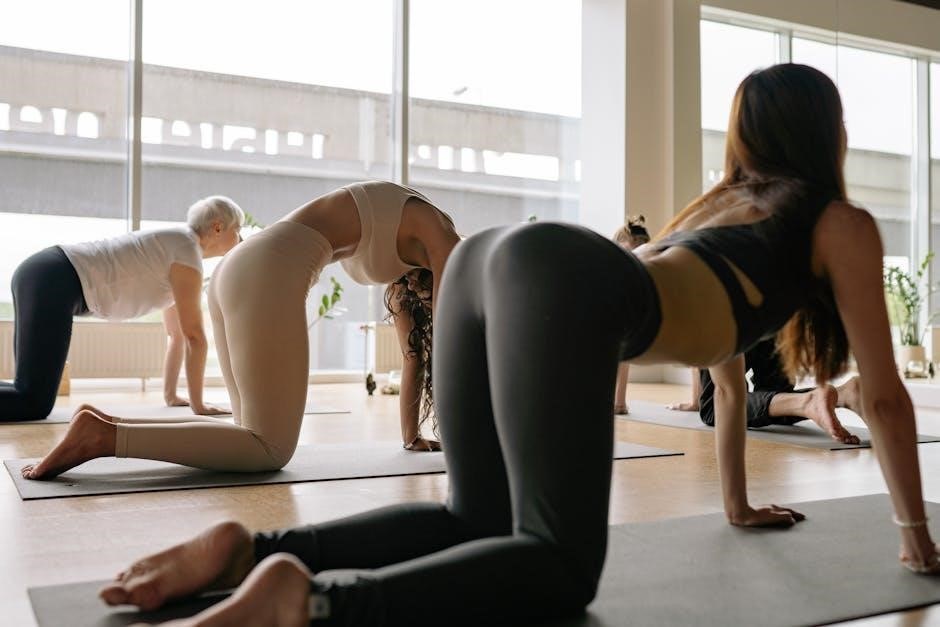
Beginner Vinyasa Flows, often found in Vinyasa yoga sequence PDFs, prioritize foundational poses and breath synchronization․ A typical 30-45 minute sequence starts with gentle warm-ups like Cat-Cow and Table Top․ Sun Salutations (Surya Namaskar A) are introduced slowly, focusing on proper alignment rather than speed․
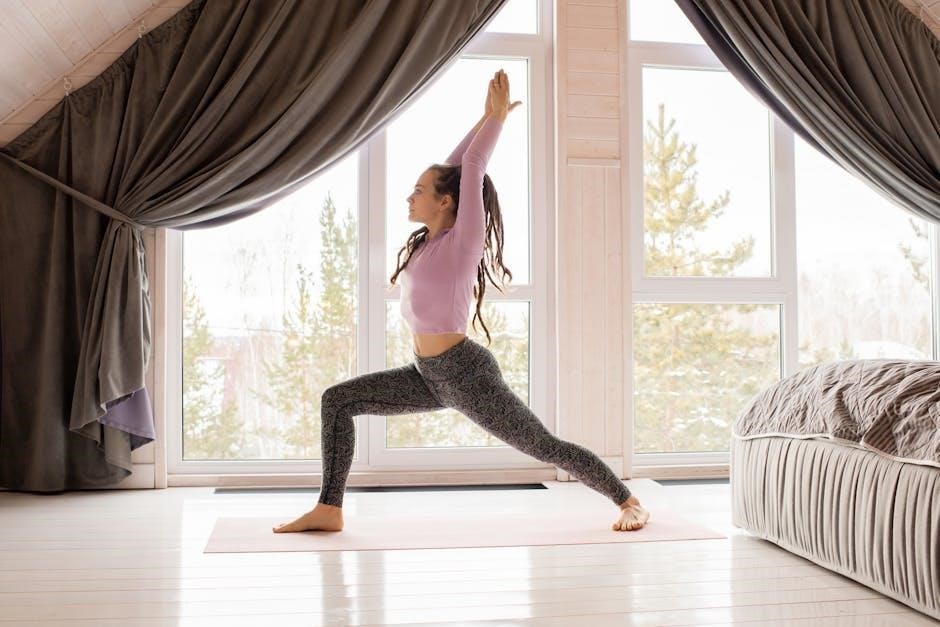
Expect modified versions of Plank, Chaturanga, and Downward-Facing Dog, potentially holding poses for longer durations․ Standing poses like Warrior I and II build strength, while Triangle Pose enhances flexibility․ The sequence concludes with a calming cool-down, including seated forward folds and Savasana (corpse pose) for relaxation․ These PDFs often include modifications using props like blocks and straps to support proper form and prevent injury, making it accessible for newcomers․
Intermediate Vinyasa Flow (60 Minutes)
Intermediate Vinyasa Flows, detailed in many Vinyasa yoga sequence PDFs, build upon foundational skills with increased complexity and pace․ Expect a more dynamic Sun Salutation practice, incorporating variations like Sun Salutation B․ The traditional Vinyasa Krama – Plank, Chaturanga, Upward-Facing Dog, Downward-Facing Dog – is repeated frequently, demanding greater core strength and stamina․
Standing poses are held for shorter durations, linked by flowing transitions․ Expect poses like Warrior III, Half Moon, and Revolved Triangle․ Backbends, such as Wheel Pose (Urdhva Dhanurasana), may be introduced with proper guidance․ These PDFs emphasize breath awareness and mindful movement, encouraging students to explore their edge safely․ Cool-down sequences often include twists and longer Savasana for deeper relaxation and integration․
Advanced Vinyasa Flow (75-90 Minutes)
Advanced Vinyasa Flows, often found in detailed Vinyasa yoga sequence PDFs, require significant strength, flexibility, and body awareness․ These practices build upon intermediate sequences, introducing arm balances like Handstand and Crow Pose, alongside deeper backbends such as King Pigeon Pose․ Expect a faster pace and more challenging transitions between poses, demanding precise alignment and breath control․
Vinyasa Krama is explored with advanced variations, and inversions like Headstand and Shoulderstand may be included․ These PDFs often incorporate creative sequencing and transitions, challenging practitioners to move with fluidity and grace․ Longer holds in challenging poses build endurance, while a substantial cool-down and Savasana are crucial for recovery and integration, promoting a profound sense of calm․
Modifications and Props for Vinyasa
Vinyasa yoga sequence PDFs frequently offer modifications using blocks and straps, ensuring accessibility for all levels and accommodating individual physical limitations․
Using Blocks and Straps
Vinyasa yoga sequence PDFs often demonstrate how blocks and straps can significantly enhance your practice, making poses more accessible and supporting proper alignment․ Blocks, placed under hands in poses like Triangle or Half Moon, reduce the distance and alleviate strain, particularly for those with limited flexibility․ Straps extend reach in poses like seated forward folds or Cow Face pose, helping to maintain a straight spine and deepen the stretch safely․
These props aren’t signs of weakness; they’re tools for intelligent practice․ Many Vinyasa flow sequences are designed with prop options clearly indicated within the PDF instructions․ Utilizing these tools allows you to modify poses to suit your body’s current needs, preventing injury and fostering a more mindful and sustainable practice․ Explore different placements and experiment to find what works best for you․
Modifying Poses for Injuries
Vinyasa flow yoga sequence PDFs should ideally offer modifications for common injuries․ Prioritizing safety is paramount; never push through pain․ If a PDF doesn’t explicitly address modifications, listen to your body and adapt accordingly․ For wrist issues in poses like Plank or Chaturanga, consider forearm variations or placing a folded blanket under the heels of your hands․ Knee pain might necessitate modifications in lunges or Warrior poses, reducing depth or using a block for support․
Back pain often requires avoiding deep twists or forward folds․ Always consult with a healthcare professional before starting any new exercise program, especially if you have pre-existing conditions․ A well-designed Vinyasa sequence will empower you to practice safely and mindfully, respecting your body’s limitations․
Creating Your Own Vinyasa Flow
Vinyasa flow yoga sequence PDFs inspire personalized practice; build from foundational poses, incorporating breathwork and music for a unique, flowing experience․
Sequencing Principles
Crafting a Vinyasa flow requires mindful sequencing, often guided by Vinyasa yoga sequence PDFs as inspiration․ Begin with gentle warm-ups, preparing the body for deeper stretches and strengthening poses․ Progress logically, moving from standing poses to floor work, and incorporating twists and backbends․
Consider contraindications and modifications, ensuring accessibility for all levels․ Balance effort and rest, interweaving active poses with restorative moments; Utilize the vinyasa krama – a traditional sequencing method – to create a harmonious flow․
Build towards a peak pose, then gradually cool down with gentle stretches and savasana․ Remember to link each movement with the breath, creating a meditative and invigorating practice․ Explore different PDF resources to understand varied sequencing approaches․
Incorporating Breathwork (Pranayama)
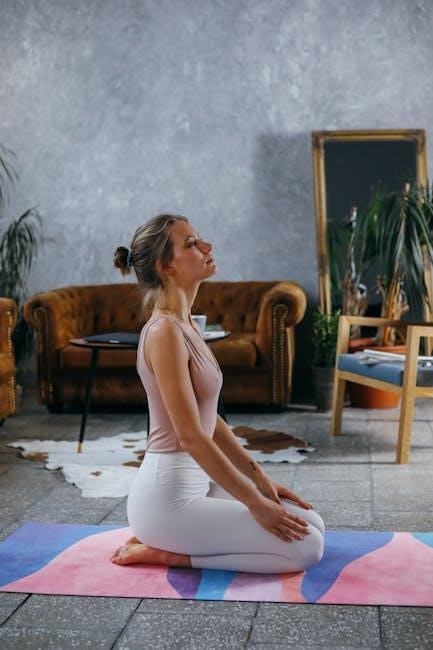
Pranayama is integral to Vinyasa Flow, deepening the mind-body connection․ Many Vinyasa yoga sequence PDFs suggest coordinating breath with movement – typically ujjayi breath, creating internal heat and focus․ Inhale to expand, exhale to contract and transition․
Introduce specific pranayama techniques before or during the flow, like kapalabhati (skull shining breath) for energizing or nadi shodhana (alternate nostril breathing) for balance․
Observe how breath influences the poses and vice versa․ Encourage students to maintain a steady, rhythmic breath throughout the practice․ Utilize PDF guides to learn appropriate pranayama techniques for different levels and intentions, enhancing the meditative quality of the flow․
The Role of Music in Vinyasa Flow
Music profoundly impacts the Vinyasa Flow experience, setting the mood and rhythm․ Carefully curated playlists can enhance focus, deepen breath, and inspire movement․ While not always included in Vinyasa yoga sequence PDFs, considering musicality is crucial for teachers․
Select music that complements the flow’s intensity – slower tempos for restorative sequences, upbeat rhythms for energetic flows․ Instrumental music is often preferred to avoid distraction, but lyrical choices can also be effective․
Encourage students to synchronize their breath with the music’s beat․ Explore different genres to find what resonates with your practice․ Some PDF resources may even suggest musical pairings for specific sequences, elevating the overall experience․
Finding Vinyasa Flow Yoga PDFs
Vinyasa yoga sequence PDFs are abundant online, offered by teachers like Brett Larkin and through platforms like Tummee, providing diverse flow options․
Reliable Online Resources
Numerous websites offer downloadable Vinyasa flow yoga sequence PDFs, catering to various skill levels․ BrettLarkinYoga consistently provides well-structured sequences, often with accompanying videos, making it an excellent resource for visual learners․ Tummee․com stands out as a platform specifically designed for yoga teachers, but also accessible to practitioners, offering a vast library of sequences created by professionals․
Exploring yoga blogs and websites dedicated to wellness can also yield valuable PDFs․ Remember to prioritize resources from certified yoga instructors to ensure safety and proper alignment․ When downloading, always verify the source’s credibility and consider the sequence’s duration and difficulty before attempting it․ Many studios also offer free introductory sequences as PDFs to attract new students, providing a great starting point․
Popular Yoga Teachers and Their Sequences
Brett Larkin is a highly regarded Vinyasa teacher, frequently sharing accessible and creative sequences, often available as downloadable Vinyasa flow yoga sequence PDFs on her website․ Matthew Sweeney developed “The Moon Sequence,” a gentle Vinyasa flow, sometimes found documented online, emphasizing a slower, more mindful practice․ Many instructors utilize platforms like YouTube and Patreon to distribute sequences, occasionally offering PDF versions as supplementary material․
Searching for teachers specializing in Vinyasa Krama can reveal unique and detailed sequences․ Exploring Instagram can also lead to discovering teachers who share snippets of flows and links to downloadable resources․ Remember to check teacher credentials and experience before following any sequence, prioritizing safety and proper form․
Vinyasa vs․ Other Yoga Styles
Vinyasa distinguishes itself with dynamic flow, unlike static Hatha poses; Ashtanga is more rigid, while Sivananda blends with Vinyasa, often found in sequence PDFs․
Vinyasa vs․ Hatha Yoga
Hatha Yoga, often considered the foundation of many yoga styles, emphasizes holding poses for longer durations, focusing on static postures and breath control․ Conversely, Vinyasa Yoga prioritizes a dynamic, flowing sequence, linking breath with movement in a continuous manner․ While both styles offer numerous benefits, their approaches differ significantly․
Hatha classes typically involve a slower pace, making them ideal for beginners or those seeking a more meditative practice․ Vinyasa, with its continuous flow, builds heat and stamina, offering a more cardiovascular workout․ Finding a suitable Vinyasa flow yoga sequence PDF can help understand the dynamic transitions․ Many resources detail how Vinyasa builds upon Hatha principles, adding a layer of fluidity and intensity․ Ultimately, the choice depends on individual preferences and fitness goals․
Vinyasa vs; Ashtanga Yoga
Ashtanga Yoga is a highly structured and rigorous practice, following a fixed sequence of poses performed in a specific order․ Vinyasa Yoga, while also flowing, offers greater freedom and variation in sequencing, allowing teachers to creatively link poses․ Both styles emphasize the Ujjayi breath and internal heat generation, but their approaches to structure differ dramatically․
Ashtanga’s set series can be challenging for beginners, demanding strength, flexibility, and discipline․ Vinyasa, conversely, is often more accessible, with modifications offered to suit various levels․ A detailed Vinyasa flow yoga sequence PDF can illustrate the adaptable nature of this style․ While Vinyasa draws inspiration from Ashtanga, it prioritizes individual expression and teacher creativity, offering a less rigid path․ Exploring different Vinyasa sequences provides a broader range of experiences․
Vinyasa and Sivananda Yoga Fusion
Sivananda Yoga, a classical Hatha style, emphasizes a fixed 12-pose sequence, holding each pose for a longer duration, focusing on relaxation and spiritual connection․ A Vinyasa and Sivananda Yoga fusion blends the dynamic flow of Vinyasa with the foundational alignment and mindful awareness of Sivananda․ This combination offers a balanced practice, building strength and flexibility while cultivating inner peace․
Practitioners benefit from the energetic movement of Vinyasa, enhanced by the deliberate, breath-centered approach of Sivananda․ Finding a Vinyasa flow yoga sequence PDF incorporating Sivananda principles can guide this integration․ This fusion often prioritizes breathwork (pranayama) and incorporates longer holds in certain poses, deepening the experience․ It’s a harmonious blend, suitable for those seeking both physical challenge and profound relaxation․